
History
Victorian Historical Fiction: Clothing, Class and the Language of Cloth
· Updated 24 September 2026
Explore clothing, class and power in Victorian fiction, and discover how the language of cloth shapes AJ Scott’s richly detailed historical novels.
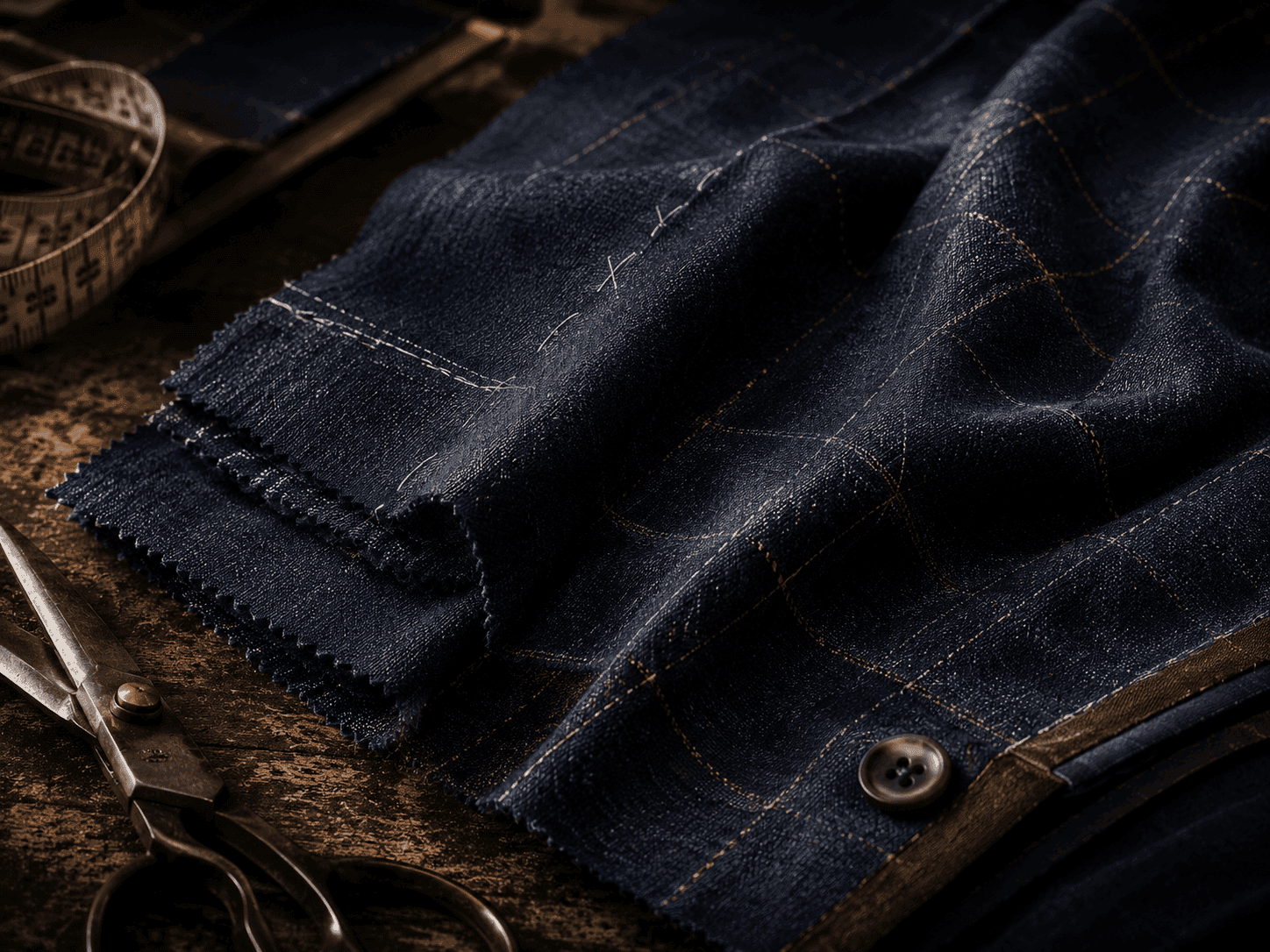
Victorian fiction often reveals class and power through the details people cannot hide. Clothing could signal wealth, work, mourning, respectability or rebellion before a character spoke. In AJ Scott’s historical fiction, the language of cloth makes Victorian social history intimate, showing how fabric, fit and condition influence identity, ambition and the way people judge one another.
Clothing speaks before dialogue
Before a character introduces themselves, clothing has already offered information. Fabric, colour, fit and condition suggest wealth, occupation, taste and circumstance. None of these signals is perfectly reliable, which is precisely why they are useful in fiction. People dress to belong, to impress, to disappear or to resist.
In historical settings, readers may not know every convention, but they recognise the human impulse behind it. A carefully maintained coat can express pride without a speech. A garment that is fashionable but poorly fitted may reveal aspiration outrunning means. Cloth turns social pressure into something visible.
Fabric as evidence of status and labour
Textiles carry the story of their making. Fibre must be produced, spun, woven, dyed, transported, sold, cut and sewn. The finished garment therefore connects private appearance with networks of labour and trade. Quality can be felt in weight, handle and durability, while damage records the life a garment has endured.
For a novelist, these material differences create grounded character detail. A person who works with cloth notices construction and wear. Someone purchasing for display may care first about novelty or prestige. Their attention reveals what they value.
Fit, cut and the performance of identity
Clothing does not simply cover the body. It shapes how the body is presented. A skilled cut can create authority, ease or restraint. Fit also carries intimacy because the tailor works with measurements that polite society may prefer to treat abstractly.
That relationship gives tailoring unusual narrative power. The client arrives with an image of who they wish to be. The tailor must translate that image into cloth while understanding what can and cannot be altered. The fitting room becomes a place where confidence, vanity and vulnerability meet.
Colour, convention and emotional meaning
Colour can announce celebration, mourning, affiliation or defiance, but its meaning depends on context. Availability, cost and custom matter. A shade may be fashionable in one circle and inappropriate in another. A faded colour can show time, repeated washing or attachment to a garment kept beyond its expected life.
Historical fiction benefits from restraint here. Instead of treating colour as a fixed code, the story can show how characters read and misread it. The same garment may feel respectful to one observer and provocative to another.
Mending, wear and the truth of a life
New clothes often represent possibility, but worn clothes tell longer stories. A repaired cuff reveals care or necessity. Alterations can track a changed body, a changed fortune or a garment passed between people. Good mending may be almost invisible, yet the knowledge of it remains with the wearer.
These traces give fictional objects emotional depth. They remind readers that value is not identical to price. A repeatedly repaired piece may matter more than something expensive because it carries memory, sacrifice or survival.
The tailor’s social intelligence
A tailor observes without appearing to interrogate. Measurements, preferences, deadlines and payment habits reveal private information. Clients disclose the occasion for a garment and, often unintentionally, the fears attached to it. The professional who helps people construct an appearance learns how status is performed.
In the Ashworth novels, this knowledge creates influence. It can be used with discretion, generosity or calculation. The silent language of cloth becomes a language of power because the person who understands appearances also understands what people are trying to protect.
Making history intimate through textiles
Large changes in industry, trade and social mobility can feel distant when described only as trends. Textiles bring them close. A new fabric reaches a worktable. A price change affects an order. A style once reserved for elites becomes available to a wider public.
By following cloth from trade to fitting room, historical fiction connects economic change with touch, work and desire. The result is history experienced at human scale, one garment and one choice at a time.
Continue exploring
Explore the Books and Series page to discover the Ashworth novels, or return to the Journal for more notes on history, storytelling and the worlds behind the books.